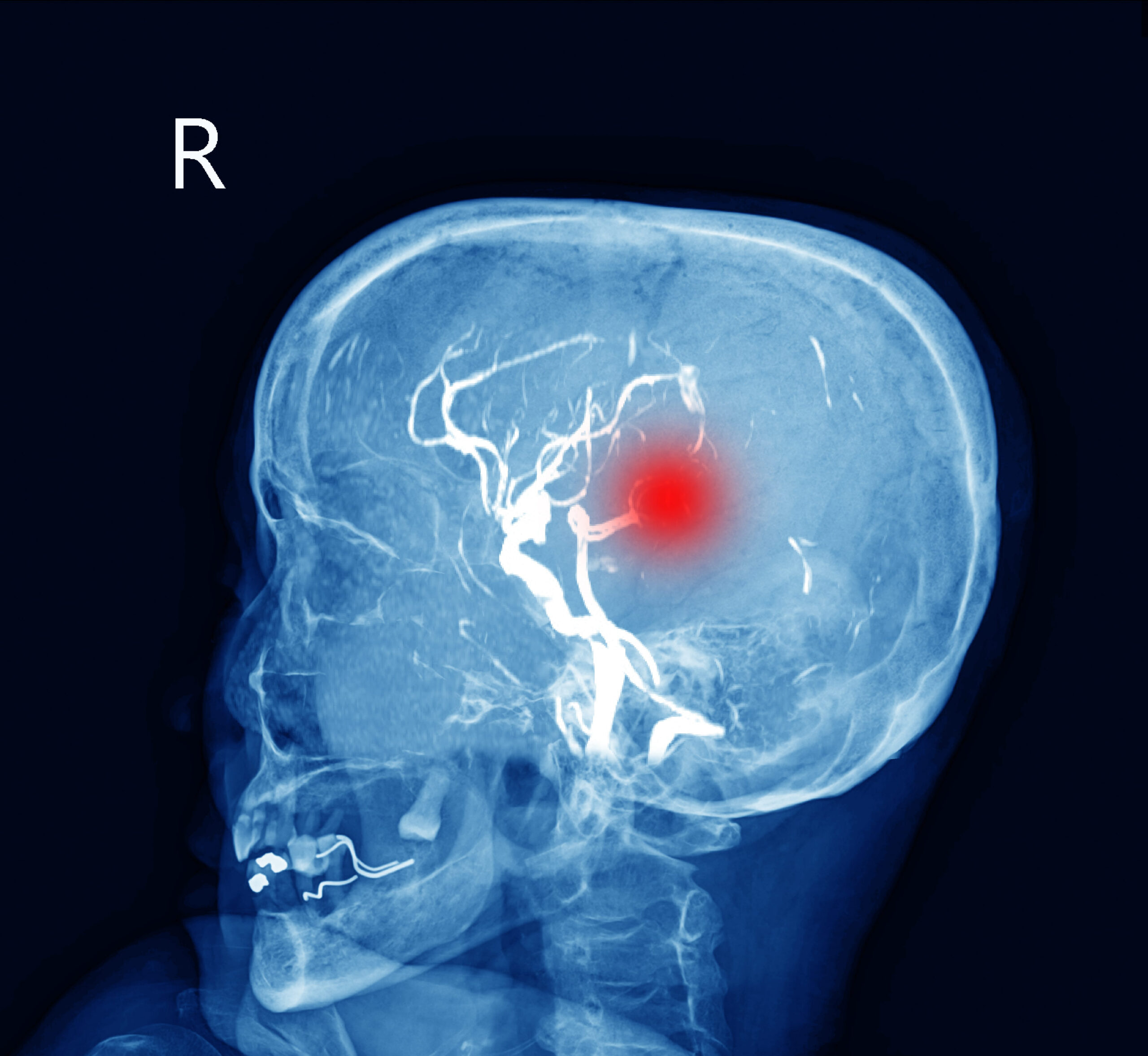
Stroke rates among adults ages 20 to 54 have risen sharply over the past three decades, according to a new study that found the incidence climbed from 33.9 to 62.2 cases per 100,000 person-years.
The study, published in Neurology, analyzed 2,076 first-ever strokes among adults in that age group in the Greater Cincinnati and Northern Kentucky region between 1993 and 2020.
The increase was driven largely by ischemic strokes, which occur when blood flow to part of the brain is blocked. The ischemic stroke rate rose from 23.8 cases per 100,000 person-years to 47.3 over the study period. Researchers did not find similar increases in other types of stroke.
Ischemic strokes are the most common type. The Centers for Disease Control and Prevention says they account for about 87% of all strokes in the United States.
The trend among younger adults moved in the opposite direction from older adults. Stroke rates among older people fell from 618.8 cases per 100,000 person-years to 453.0 during the same period.
The new findings also add to earlier research showing higher stroke prevalence among younger adults.
High blood pressure, diabetes, atrial fibrillation and substance use also became more common among younger stroke patients.
Documented substance use among younger stroke patients increased from 4.6% in 1993-1994 to 40.2% in 2020. The increase primarily involved marijuana.
Study author Dr. David Robinson cautioned that the data do not establish marijuana as the cause of the increase. He said there is evidence of a relationship between marijuana and stroke, particularly with heavier use, but more research is needed. Separate research has also examined marijuana use and cardiovascular risks among adults under 50.
Experts interviewed by Prevention also pointed to obesity and sedentary lifestyles as possible contributors. However, they stressed that the study was not designed to determine why strokes became more common in younger adults.
There was some encouraging news in the findings. The share of younger stroke patients who died within 30 days declined from 11.7% to 9.4%. The improvement was largely seen among patients with intracerebral and subarachnoid hemorrhages, which are bleeding-related strokes.
The study lacked comparable risk-factor data for people who did not suffer strokes, making it difficult to determine what caused the increase.
Changes in medical documentation may also have affected the results. Greater use of MRI scans over the nearly three-decade period could have improved stroke detection, while changes in disclosure or documentation may have contributed to the reported rise in substance use. The research was also limited to a five-county region.
Doctors said prevention should begin well before old age. High blood pressure is particularly important because it is closely associated with stroke. Diabetes, smoking, obesity and abnormal cholesterol are also among the vascular risk factors doctors watch.
“Vascular disease doesn’t suddenly begin when you’re 65; it develops over time,” Dr. Jason Gluck, a cardiologist who was not involved in the research, told Fox News Digital.
Robinson recommended following the American Heart Association’s Life’s Essential 8, which includes managing blood pressure, blood sugar, weight and cholesterol, along with eating well, staying active, avoiding tobacco and getting adequate sleep. The recommendations come as newer heart-health guidelines have also placed greater attention on managing cholesterol earlier in life.
Doctors also stressed the importance of recognizing a stroke quickly. Warning signs can include sudden balance problems, vision changes, facial drooping, arm weakness and difficulty speaking. Anyone showing those symptoms should call 911 immediately rather than driving to the hospital.