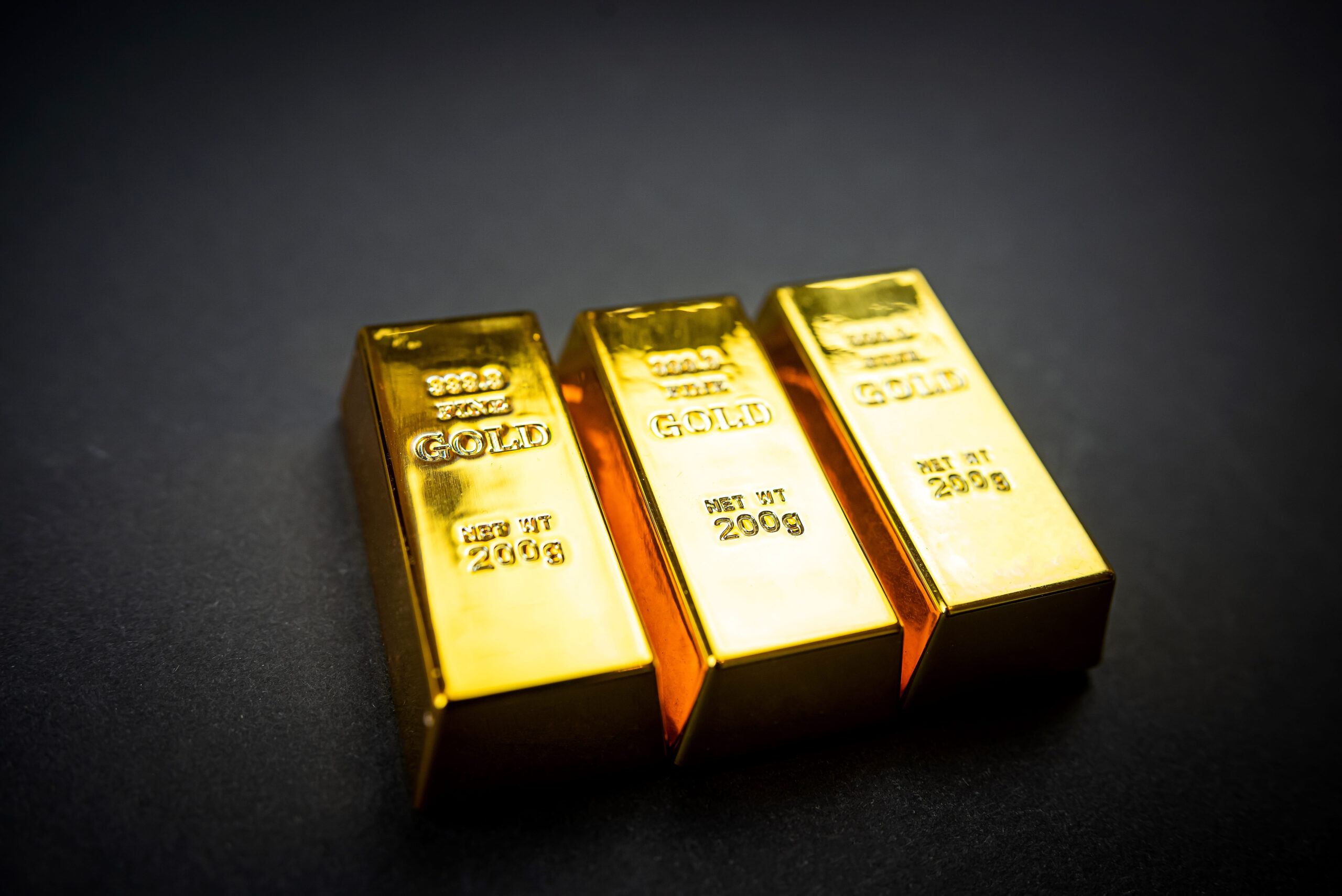
Gold prices rose Thursday after softer-than-expected US inflation data lowered expectations for another Federal Reserve rate hike in October. Higher Treasury yields and a stronger dollar limited further gains.
Spot gold climbed 0.6% to $4,181.02 an ounce by 8:56 a.m. EDT, while US gold futures for December delivery rose 0.6% to $4,211.20. The metal lost more than 6% in September.
The latest inflation figures eased some concerns that the Fed could raise borrowing costs again this month. The personal consumption expenditures price index excluding food and energy, the Fed’s preferred measure of underlying inflation, rose 0.2% in August, less than expected. The previous month’s reading was also revised lower.
Markets were pricing in about a 37% chance of an October rate increase following the data, down from 45% before the release and 69% a week earlier.
David Meger, director of metals trading at High Ridge Futures, said lower expectations for another rate increase were supporting precious metals markets. Gold typically benefits when expectations for higher interest rates decline because the metal does not pay interest.
However, a sharp rise in government bond yields continued to put pressure on bullion. The 10-year US Treasury yield reached its highest level in more than two decades, increasing the opportunity cost of holding non-yielding gold. A stronger dollar also made gold more expensive for buyers using other currencies.
Long-dated Treasury yields had already climbed to multi-decade highs Wednesday as resilient US consumer spending reinforced expectations that the economy could withstand higher interest rates. Consumer spending increased in August at its fastest pace in more than a year. Gold Steady as Softer Inflation…
Gold entered October after a difficult month. Bullion fell about 6% in September, its worst monthly performance since June, after the Fed raised interest rates for the first time since 2023 and signaled that further tightening could be necessary. Rising global bond yields also weighed on the metal during the month.
Investors are now turning their attention to Friday’s September jobs report and comments from Fed policymakers for further clues on the direction of monetary policy.
Achilleas Georgolopoulos, senior market analyst at XM Trading, said weaker risk appetite and reduced rate-hike expectations had helped gold, but warned that the short-term trend remained bearish. He said gold could retest the $4,000 level if the upcoming nonfarm payrolls report comes in stronger than expected.
HSBC, meanwhile, lowered its average gold price forecasts for 2026 and 2027 to $4,490 and $4,825 an ounce, respectively. The bank said gold could remain under pressure in the near term but may be approaching a bottom. It also expects central banks to resume purchases if prices move toward or below $4,000 an ounce.