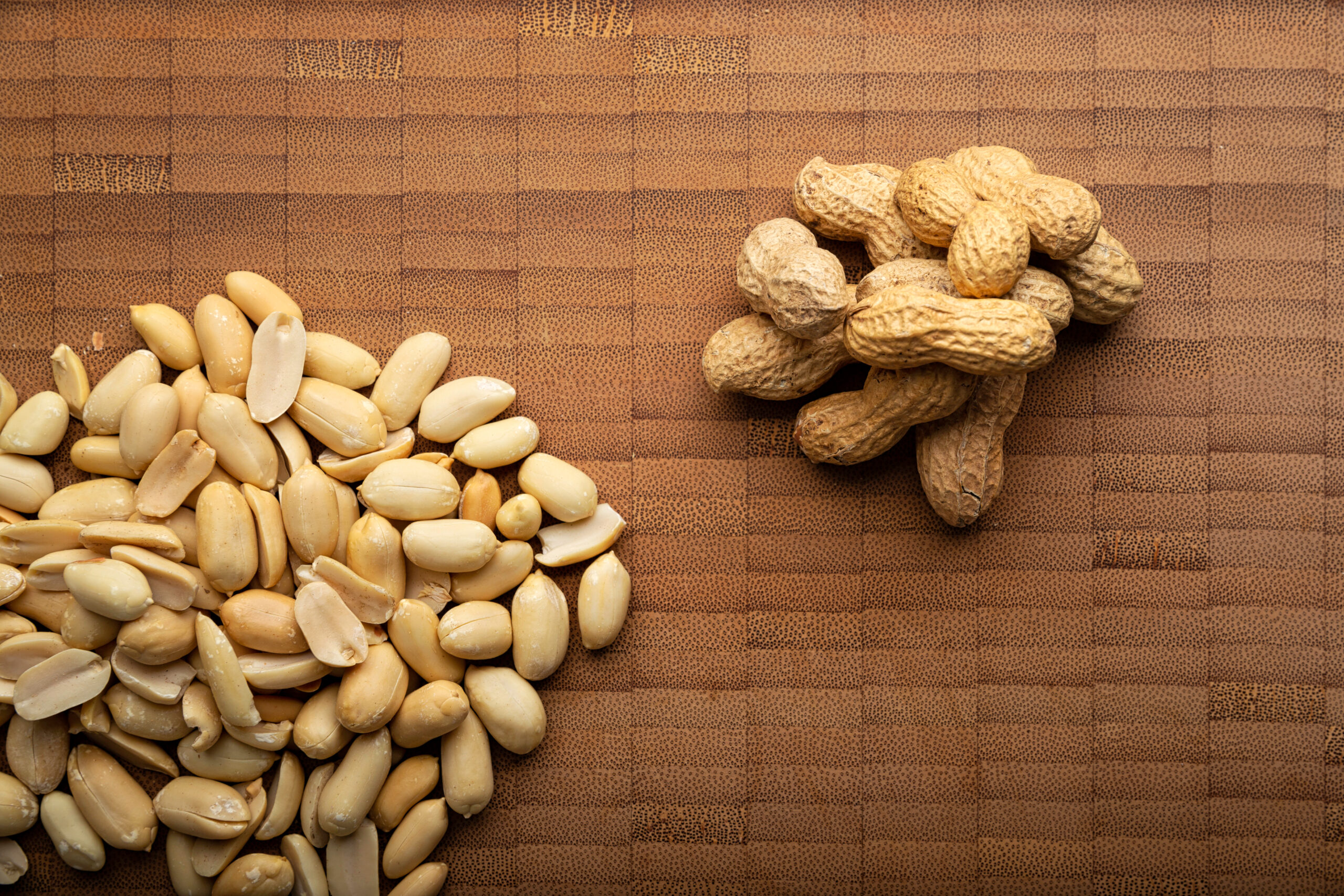
Small daily doses of peanut can help children build resistance to peanut allergies, a new study found. Researchers reported that lower amounts were just as effective as higher doses and caused fewer side effects.
The research, reported by HealthDay News and recently published in the Journal of Allergy and Clinical Immunology – In Practice, found that children undergoing peanut oral immunotherapy do not always need large daily doses to see meaningful benefits.
Peanut oral immunotherapy is a treatment in which children with peanut allergies are given gradually increasing amounts of peanut over time. The goal is to raise the level at which an allergic reaction occurs, eventually reaching a maintenance dose that is eaten regularly to help protect against accidental exposure.
In the new study, researchers examined whether a much smaller maintenance dose would be effective. They compared a low daily dose of 30 milligrams of peanut to a more standard dose of 300 milligrams.
A total of 51 children were randomly assigned to one of three groups. One group received the low peanut dose, another received the higher dose, and a third group avoided peanuts altogether.
Researchers found that children in both treatment groups showed significant and similar increases in their tolerance to peanuts. This means they were able to withstand higher levels of peanut exposure before experiencing an allergic reaction.
Just as important, children who took the lower dose experienced fewer side effects than those receiving the higher amount, according to the study results.
“We were excited to find that peanut oral immunotherapy maintenance doses can be much lower than previously thought and still contribute to positive outcomes,” said Dr. Julia Upton, the study’s lead researcher and head of immunology and allergy at The Hospital for Sick Children, in a news release.
Senior researcher Dr. Thomas Eiwegger said the smaller dose may be easier for children to tolerate on a daily basis, including those who struggle with the taste of peanut products.
“This is a small enough dose that even children who do not like the taste can continue treatment,” Eiwegger said. He added that the minimum effective maintenance dose may be even lower than 30 milligrams, though more research is needed.
Researchers said the findings could give families greater flexibility when deciding on treatment plans. Some may choose to stay on very low doses over the long term, while others may gradually increase their intake depending on individual goals and comfort levels.
“The more options we have, the more we can support patients’ experience and provide meaningful, tailored care,” Upton said.