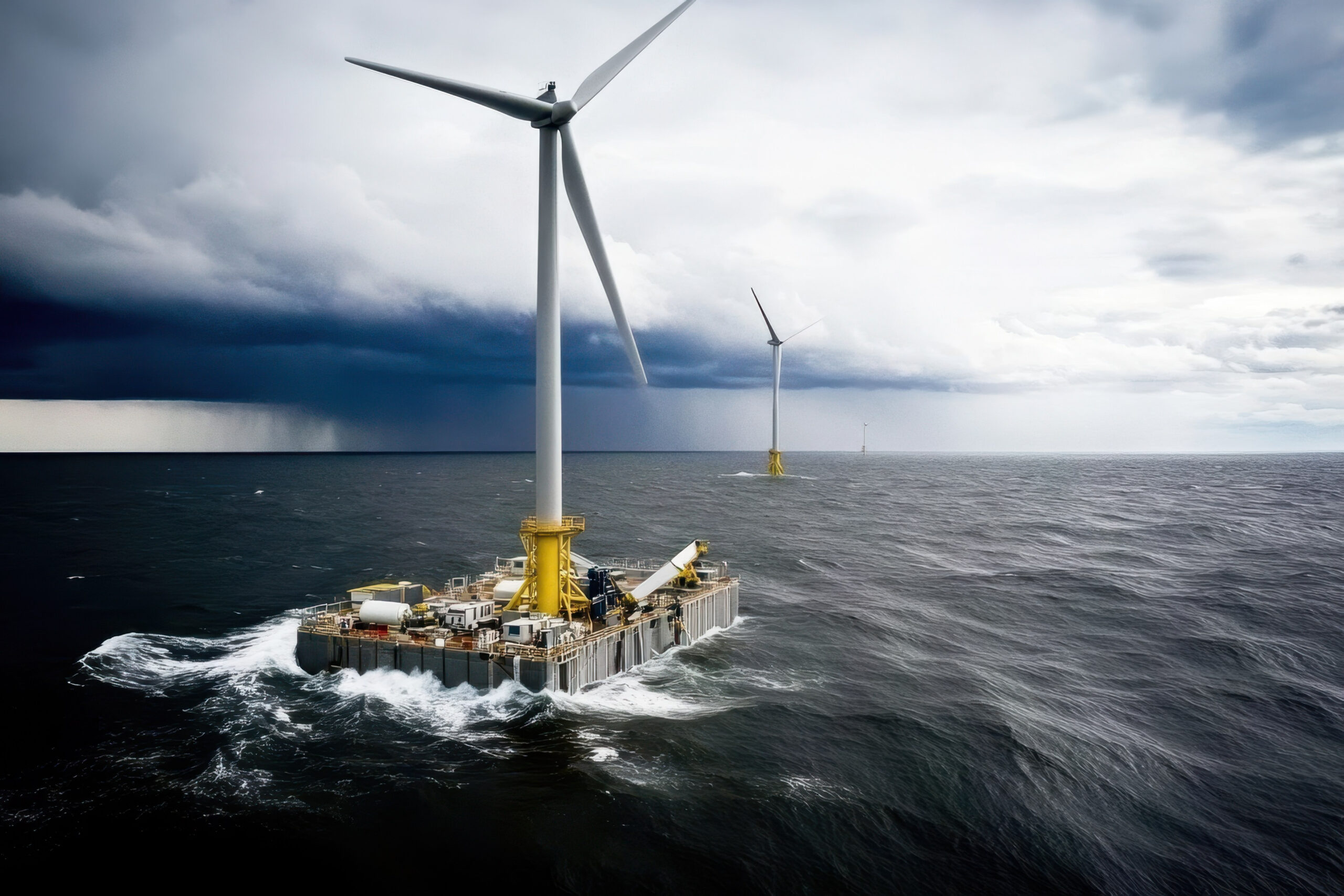
The Trump administration has ordered an immediate pause on construction activity for five offshore wind projects along the East Coast after classified government reports identified potential national security risks.
The decision was announced Monday by the Department of the Interior, which said the action followed findings from the Department of War indicating that large offshore wind installations could interfere with critical radar systems used for national defense.
According to Interior officials, recently completed classified assessments concluded that offshore wind turbines pose potential risks because of their size, placement, and proximity to major East Coast population centers. The pause is intended to give federal agencies time to determine whether those risks can be mitigated before construction resumes.
“The prime duty of the United States government is to protect the American people,” Interior Secretary Doug Burgum said in a department statement.
“Today’s action addresses emerging national security risks, including the rapid evolution of the relevant adversary technologies, and the vulnerabilities created by large-scale offshore wind projects with proximity near our east coast population centers. The Trump administration will always prioritize the security of the American people.”
The Department of the Interior identified five projects affected by the pause. They are Vineyard Wind 1, Revolution Wind, Sunrise Wind, Coastal Virginia Offshore Wind Commercial, and Empire Wind 1. The projects are operated by companies including GE Vernova, Orsted, Dominion Energy, and Equinor.
Federal officials cited longstanding concerns about radar interference caused by massive turbine blades. Past unclassified government reports have found that offshore wind installations can create radar clutter that obscures legitimate moving targets and generates false ones.
A 2024 Department of Energy study found that increasing radar detection thresholds can reduce false signals but also raises the risk of missing real targets.
Burgum said in a televised interview that a review ordered by President Donald Trump showed “conclusively” that legitimate national security concerns exist. He cited radar interference as “a genuine risk for the U.S.” and warned that the projects are located close to East Coast population centers.
In public comments posted on social media, Burgum criticized offshore wind as inefficient and heavily subsidized. “ONE natural gas pipeline supplies as much energy as these five projects combined,” he said, adding that rising power demand from artificial intelligence, data centers, and Bitcoin mining requires reliable energy sources.
The Interior Department said the temporary halt will allow federal agencies to work with leaseholders and state partners to assess possible mitigation measures. Burgum said the projects received significant federal subsidies during the previous administration and that any path forward must place national security above energy policy goals.
Trump initiated the offshore wind review on his first day back in office on Jan. 20, 2025, signing an executive order titled “Temporary Withdrawal of All Areas on the Outer Continental Shelf from Offshore Wind Leasing and Review of the Federal Government’s Leasing and Permitting Practices for Wind Projects.”
While the order did not immediately cancel existing leases, it directed Interior officials to review whether current projects should be amended or terminated based on national security, economic, and environmental considerations.
Interior officials said the pause ensures the federal government maintains its ability to effectively defend the country while the review continues.