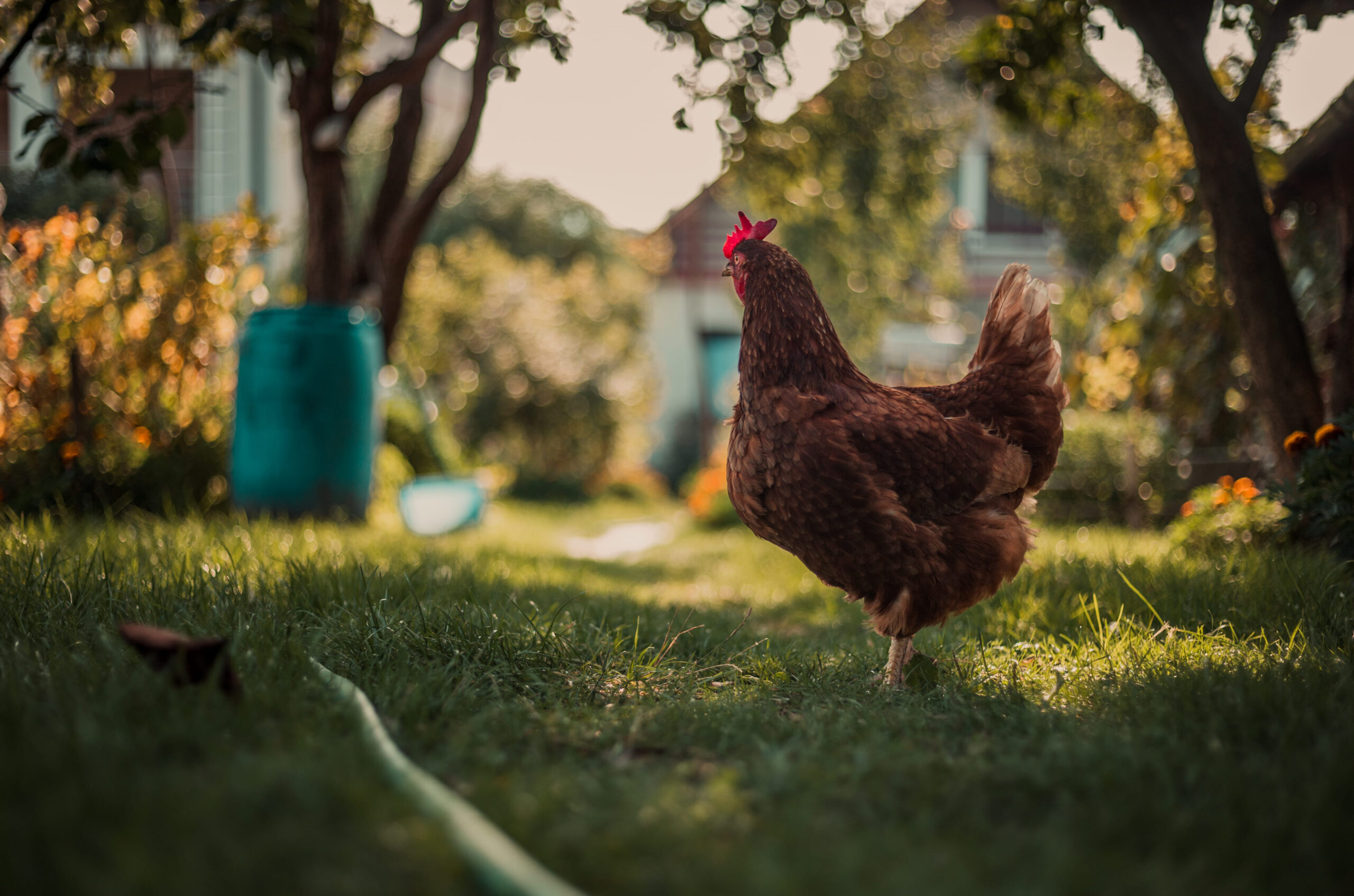
The Centers for Disease Control and Prevention is warning of a salmonella outbreak in 13 states linked to backyard poultry, with some cases resistant to common antibiotics.
At least 34 people across 13 states have been sickened with the Salmonella Saintpaul strain, according to federal health officials. Illnesses were reported between Feb. 26 and March 31, and 13 people have been hospitalized. No deaths have been reported so far.
The CDC cautioned that the true number of infections is likely higher than reported. Many people recover without being tested. It can also take several weeks to confirm whether cases are linked to the outbreak.
Health officials said bacteria collected from infected patients showed signs of resistance to at least one antibiotic. Some samples also appeared resistant to multiple drugs, including chloramphenicol, streptomycin, sulfisoxazole, and tetracycline. Infections that do not respond to antibiotics can lead to serious illness and, in some cases, death.
The outbreak has been traced to contact with backyard poultry, including chickens, ducks, geese, and turkeys. Of those interviewed, nearly 80 percent reported recent contact with backyard birds. Among people who owned poultry, more than 90 percent said they had obtained the animals since January.
Investigators said people acquired poultry from a variety of sources, including agricultural retail stores. Officials are continuing to examine where the birds originated and how they were distributed.
Cases have been reported in Florida, Illinois, Indiana, Kentucky, Maryland, Maine, Michigan, Mississippi, New Hampshire, Ohio, Tennessee, Wisconsin, and West Virginia. The CDC said additional cases may emerge in other states.
Young children appear to be especially affected. More than 40 percent of those sickened are under the age of 5. The CDC said children, older adults, and people with weakened immune systems face the highest risk of severe illness.
Salmonella symptoms typically begin within six hours to three days after exposure and include diarrhea, fever, and stomach cramps. Some patients may also experience nausea, vomiting, chills, or headaches.
The CDC said contact with backyard poultry is a known source of infection because birds can carry salmonella bacteria even when they appear healthy and clean.
Federal health officials are urging Americans who raise or handle backyard poultry to take basic precautions. These include washing hands thoroughly after handling birds, eggs, or anything in their environment. People should avoid kissing or snuggling poultry and should not eat or drink around them.
Children should be closely supervised around backyard birds. The CDC also advises that children younger than 5 should not handle poultry or spend time in areas where the animals live.
The agency has investigated multiple similar outbreaks in recent years. In 2025, more than 500 people were sickened in a nationwide outbreak linked to backyard poultry, resulting in 125 hospitalizations and two deaths.
Health officials said the current investigation is ongoing and emphasized that simple hygiene practices remain the most effective way to reduce the risk of infection.