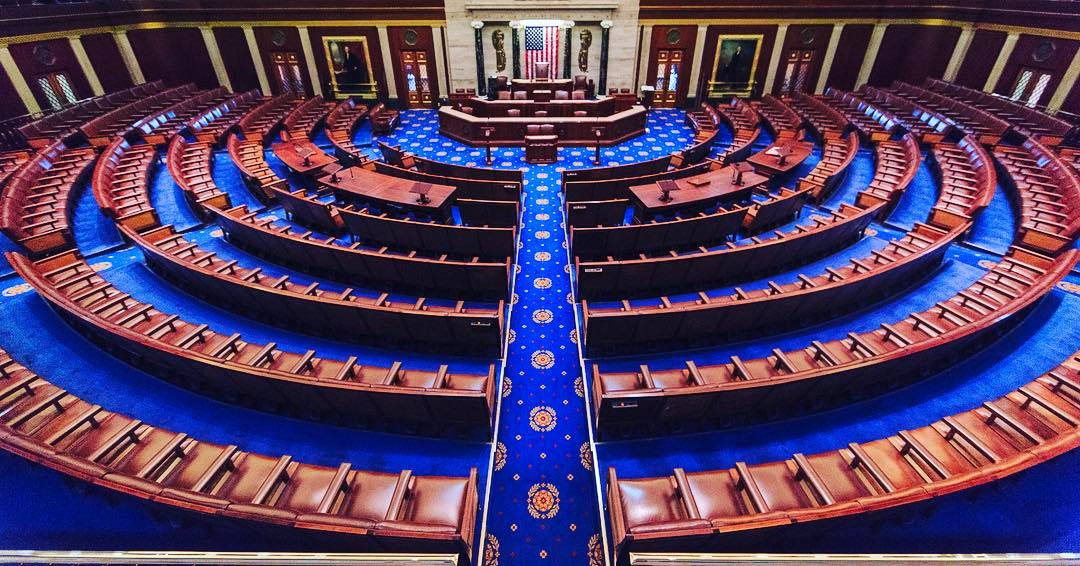
Democrats have secured at least 258 seats in the U.S. House of Representatives, giving the party its largest House majority since 1992.
The milestone came Sunday after Democrat Chuck Hubbard defeated longtime Republican Rep. Virginia Foxx in North Carolina’s 5th Congressional District. A recount showed Hubbard leading by 330 votes, prompting Foxx to concede on November 22.
Democrats have now gained 44 House seats in the 2026 midterm elections. That exceeds the 40 seats the party gained during President Donald Trump’s first midterm election in 2018.
Republicans have secured at least 173 seats, while four races remain undecided. Those contests include one each in Minnesota and Tennessee and two in Louisiana, where runoff elections are scheduled for December.
The Democratic majority is the largest since the party won 258 seats in 1992, when Bill Clinton was first elected president. Democrats also won 257 seats in 2008, when Barack Obama secured the presidency.
The election results give Democrats control of both chambers of Congress beginning in January. The party also secured 56 seats in the Senate, its largest majority in more than a decade.
House Democratic leader Hakeem Jeffries (D-NY) celebrated the results on Sunday.
“House Democrats have just secured the largest majority any party in Congress has held this century. BOOM,” Jeffries wrote on X.
The election marked a major setback for Republicans, who lost several longtime incumbents. Among those defeated were Rep. Scott Perry (R-PA) and Rep. Lauren Boebert (R-CO).
John G. Geer, a political science professor at Vanderbilt University, told The Epoch Times that the election reflected widespread dissatisfaction with Republicans and Trump.
“The public did not endorse the Democrats,” Geer said. “This was an indictment against the Republicans.”
Economic concerns played a significant role in the election. CBS News exit polls found that voters who viewed the economy negatively favored Democrats in House races. Voters struggling with inflation and those reporting worsening personal finances also leaned toward Democratic candidates.
The results have also reshaped Republican leadership in the House.
House Speaker Mike Johnson (R-LA) retained his congressional seat but announced that he would not seek another leadership position. Rep. Jim Jordan (R-OH) was subsequently elected House minority leader after defeating Rep. Steve Scalise (R-LA) on November 10.
Meanwhile, House Democrats nominated Jeffries to become the next speaker on November 18. If elected when the new Congress convenes on January 3, 2027, Jeffries will become the first Black speaker in U.S. history.
The Democratic majority will give Jeffries considerable room to maneuver. With at least 258 seats, Democrats could lose the support of dozens of their own members on legislation and still reach the 218 votes generally required for passage.
Democrats are preparing a 100-day legislative agenda focused on the cost of living, healthcare, and immigration.
Their priorities include reversing Republican Medicaid cuts and restoring Affordable Care Act tax credits that expired under Republican control.
The party also plans extensive investigations into the Trump administration. Democrats have discussed examining the president’s financial dealings, his family’s business interests, and government contracts.
Rep. Robert Garcia (D-CA), who is expected to lead the House Oversight Committee, has already called for members of Trump’s family to preserve records related to their business activities.
White House counsel Will Scharf has criticized the planned investigations, arguing that congressional probes without a legitimate legislative purpose would constitute an abuse of power.
Despite the expected confrontations, Trump has suggested that he could work with Democrats on certain issues.
During a November 21 Fox News interview, the president expressed support for limiting credit card interest rates to 10%. Bipartisan legislation proposing such a cap has remained in congressional committees since 2025.
Some Democrats have also urged their party to prioritize economic concerns rather than focus primarily on investigations.
Rep. Tom Suozzi (D-NY) suggested that Democrats devote 75% of their attention to affordability issues and 25% to accountability.
Jeffries acknowledged the pressure facing his party during a Sunday appearance on CBS’s Face the Nation.
“Can you imagine how angry the American people will be with Washington if, over the next two years, we fail to do anything about affordability, fail to do anything about healthcare, and fail to do anything about immigration?” he said.
The new Congress will convene on January 3, 2027, with Democrats controlling both chambers and Trump remaining in the White House.