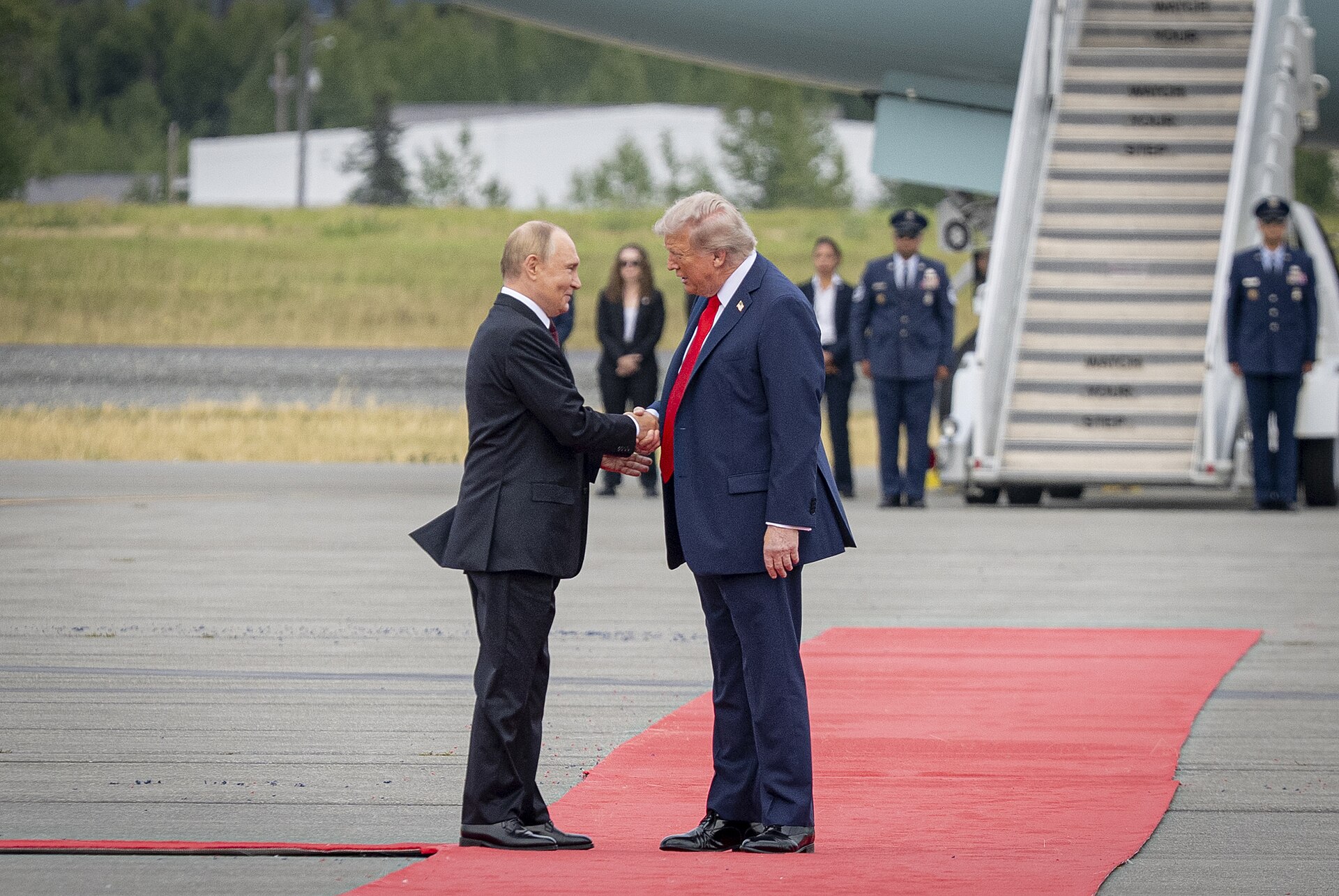
President Donald Trump defended his decision to waive new sanctions against Russia on Sunday, October 18. He argued that imposing additional penalties now could push Moscow away from negotiations aimed at ending the war in Ukraine.
The decision has drawn criticism from both Republicans and Democrats, as well as Ukrainian President Volodymyr Zelenskyy.
In a Truth Social post, Trump said he was working to negotiate peace between Russia and Ukraine and did not want to take actions that could disrupt the talks.
He said significant progress was being made, including in ongoing hostage negotiations. Trump also argued that he could impose the sanctions later if necessary.
Trump issued an executive order on October 16 waiving new sanctions against Russia, citing US national interests.
The sanctions legislation, signed into law on September 18, targeted the five largest purchasers of Russian oil and gas. The measures were intended to increase economic pressure on Moscow over its military operations in Ukraine.
Trump also defended his decision by pointing to Russia’s limited involvement in the ongoing conflict with Iran.
The president said Moscow was providing little, if any, assistance to Tehran compared with what it could offer. He argued that maintaining the current situation was another reason to avoid additional sanctions.
The waiver comes days after Trump reached an agreement with Moscow to increase diesel supplies to global markets, including the United States.
Under the agreement, Russia committed to immediately releasing more than 300,000 tons of diesel. Another 500,000 tons are expected in November, followed by 1 million tons in December.
Trump said an additional 3 million tons could become available depending on the condition of Russia’s refineries.
The agreement comes as diesel prices have surged across the United States. According to AAA figures, the national average has reached approximately $6.32 per gallon, compared with $3.64 a year earlier.
Trump also criticized Zelenskyy for resuming Ukrainian attacks on Russian oil refineries. He accused the Ukrainian president of worsening global diesel shortages and driving up costs for American farmers, ranchers, and businesses.
The president further accused Zelenskyy of being unwilling to end the war. He argued that Ukraine could have secured a more favorable peace agreement two years ago.
Zelenskyy, meanwhile, strongly opposed the sanctions waiver.
During an interview on NBC News’ Meet the Press, the Ukrainian president described Trump’s decision as a “historic mistake” and said it amounted to significant support for Russian President Vladimir Putin.
Zelenskyy also said Ukraine continued to trust Trump. He added that it would be difficult to believe the United States would choose to support Putin over Ukraine.
Energy Secretary Chris Wright defended the administration’s decision during an October 18 interview with ABC News.
Wright argued that the waiver was intended to encourage negotiations rather than provide financial assistance to Moscow.
He explained that Russia would have to export diesel to benefit from the arrangement. That could require Moscow to reduce domestic consumption, scale back military operations, or repair damaged refineries through an agreement with Ukraine.
The administration maintains that keeping Russia engaged in negotiations offers a better opportunity to end the conflict than imposing additional economic penalties at this stage.