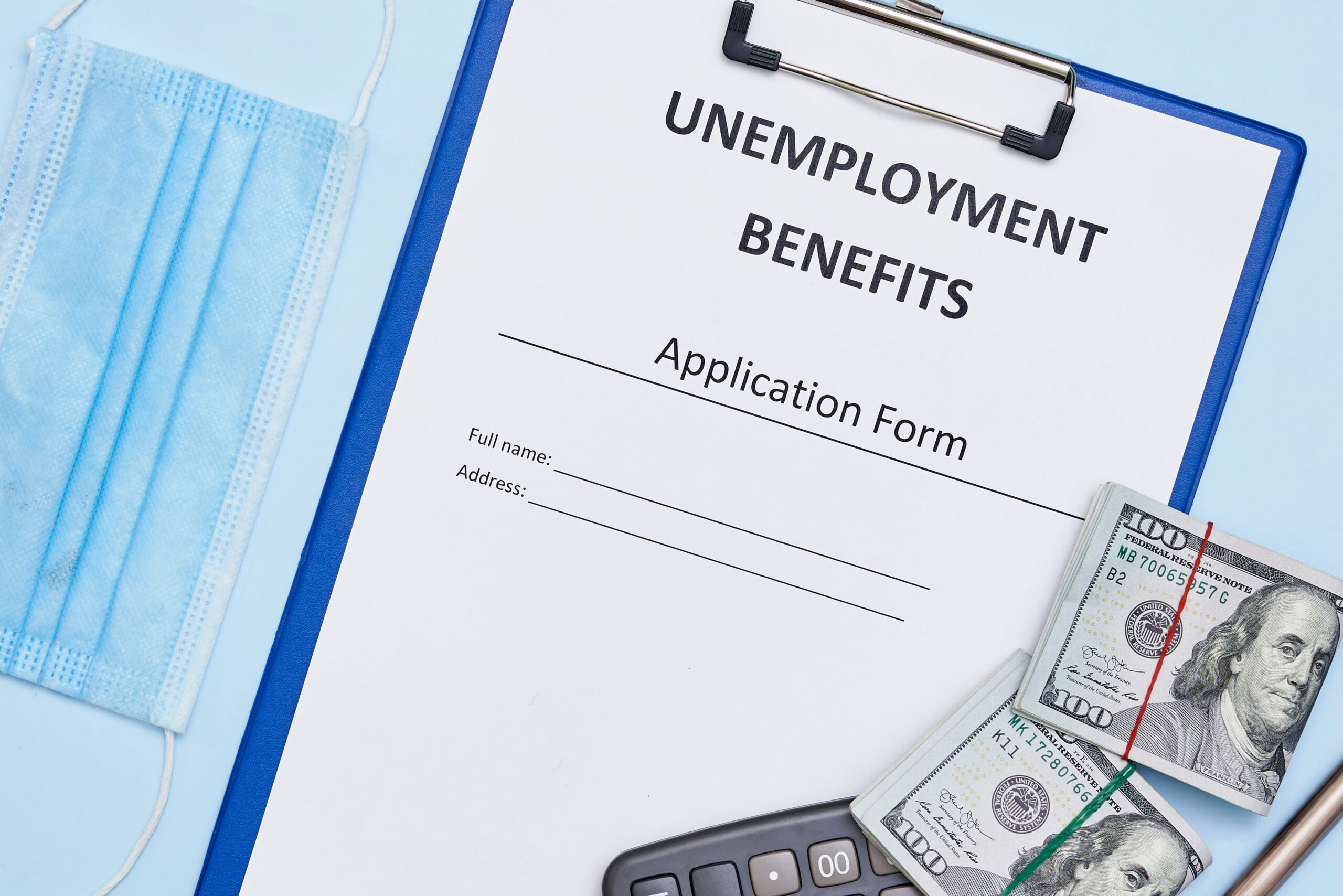
New applications for unemployment benefits in the United States rose last week. However, they remained at levels that continue to signal a resilient labor market despite economic uncertainty linked to the conflict in Iran.
According to data from the Labor Department, the number of Americans filing initial jobless claims rose by 4,000 to 229,000 for the week ending June 6. That was the highest level since early February. The figure exceeded economists’ expectations of 216,000 new claims. However, it remains within a range generally associated with a healthy job market.
Weekly jobless claims are considered a key indicator of layoffs. They also provide one of the most up-to-date measures of labor market conditions.
The increase comes as businesses and consumers continue to navigate the economic effects of the war in Iran. However, labor market data has remained relatively strong. U.S. employers added a stronger-than-expected 172,000 jobs in May.
The economy has averaged 188,000 new jobs per month over the three months since the conflict began in late February. That marks the strongest three-month hiring stretch since early 2024. The national unemployment rate remains at 4.3%.
Additional signs of labor market strength emerged earlier this week. The government reported that job openings climbed to 7.6 million in April. That was up from 6.9 million in March. It was also the highest level since May 2024.
Still, economists are watching for signs that rising energy costs could slow economic activity. Consumer inflation accelerated to 4.2% in May. It reached its highest level in three years after gas prices increased following the closure of the Strait of Hormuz.
The inflation outlook is also influencing expectations for the Federal Reserve. Most analysts expect policymakers to leave interest rates unchanged at their upcoming meeting. However, some officials have suggested that another rate increase could be considered if inflation remains stubbornly high. Higher borrowing costs generally make employers more cautious about expanding payrolls.
Artificial intelligence is another factor creating uncertainty in the labor market. Businesses continue investing heavily in AI technologies. Some economists warn that automation could eventually replace certain jobs.
Several major companies have announced workforce reductions in recent months. These include Verizon, UPS, Amazon, Disney, Starbucks, and Walmart.
The Labor Department reported that the four-week moving average of jobless claims rose by 4,250 to 219,000. The measure smooths out weekly fluctuations. Meanwhile, the number of Americans continuing to receive unemployment benefits increased by 24,000 to 1.8 million for the week ending May 30.
Jobless claims have moved higher in recent weeks. However, they remain well below levels typically associated with a weakening labor market.